Coconut Shell Charcoal & Briquettes

Burned slowly, burns long.

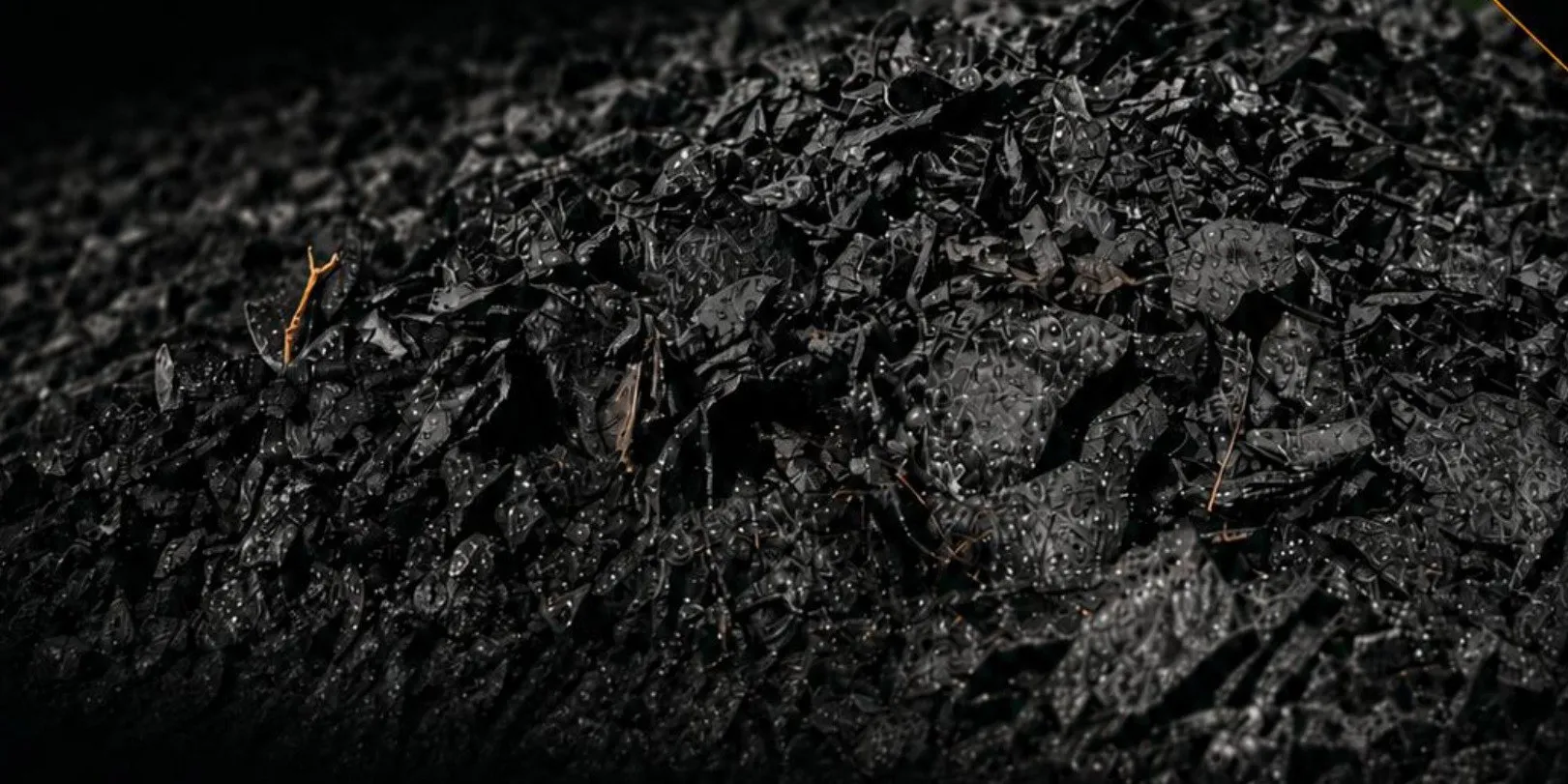
Coconut shell charcoal from high-temperature carbonisation with restricted airflow. High carbon content, low ash, no chemical additives.

70% min
Fixed carbon
3% max
Ash content
15% max
Moisture
4–50Mesh
Size range

Products

Two forms, one raw material.

Both are made from selected coconut shell with no chemical additives.

Charcoal Flake

Pecahan

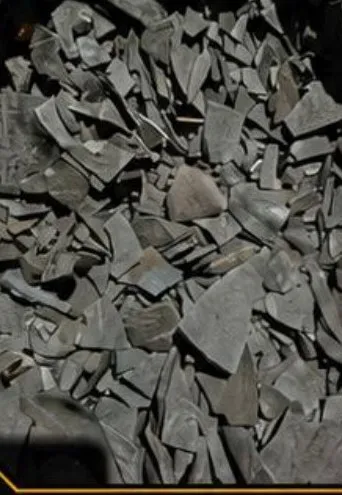
Charcoal Flake

Irregular flake form produced by carbonising whole coconut shells. Steady flame, even heat, and very little ash. Suited to industrial, commercial, and household use.

  • 100% natural from selected coconut shell
  • High calorific value, longer burning time
  • Low ash content and minimal smoke
  • Environmentally sound, using coconut waste
Briquettes

Briket

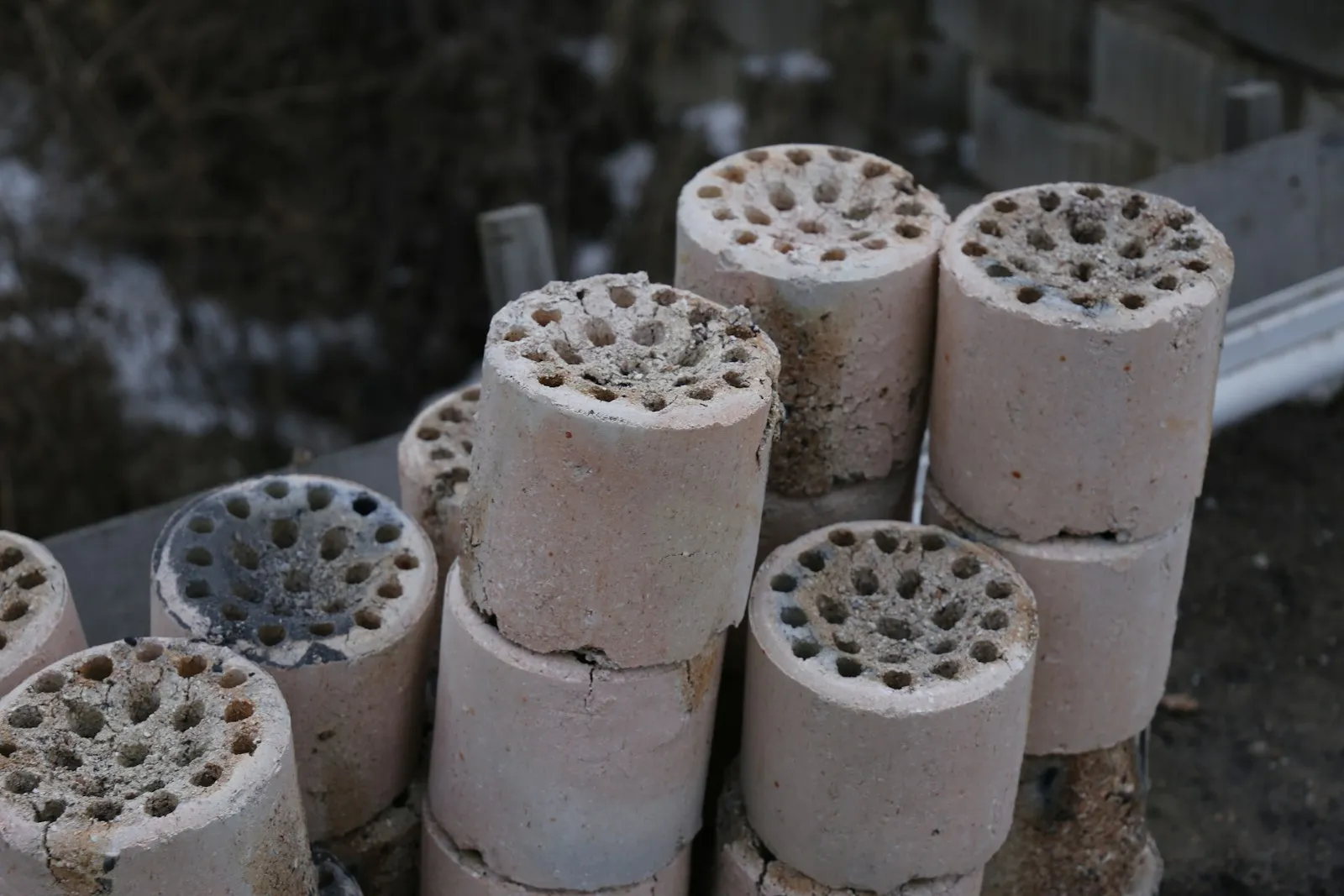
Briquettes

Coconut shell charcoal compressed into a uniform shape for longer and more consistent burning. Available on request.

Briquette technical specification — shape, dimensions, burning time, ash content, and packaging — is supplied on request. Contact us for the specification sheet and samples.

Technical Specification

Numbers you can test.

The values below apply to charcoal flake. Specifications can be adjusted to buyer requirements, including moisture, size, packaging, and labelling.

ParameterSpecification
MoistureMax. 15%
Ash contentMax. 3%
Volatile matterMax. 18%
Fixed carbonMin. 70%
ImpuritiesMax. 1%
Size (mesh)4 – 50 mesh
ColourDeep black / glossy black
OdourNo chemical smell
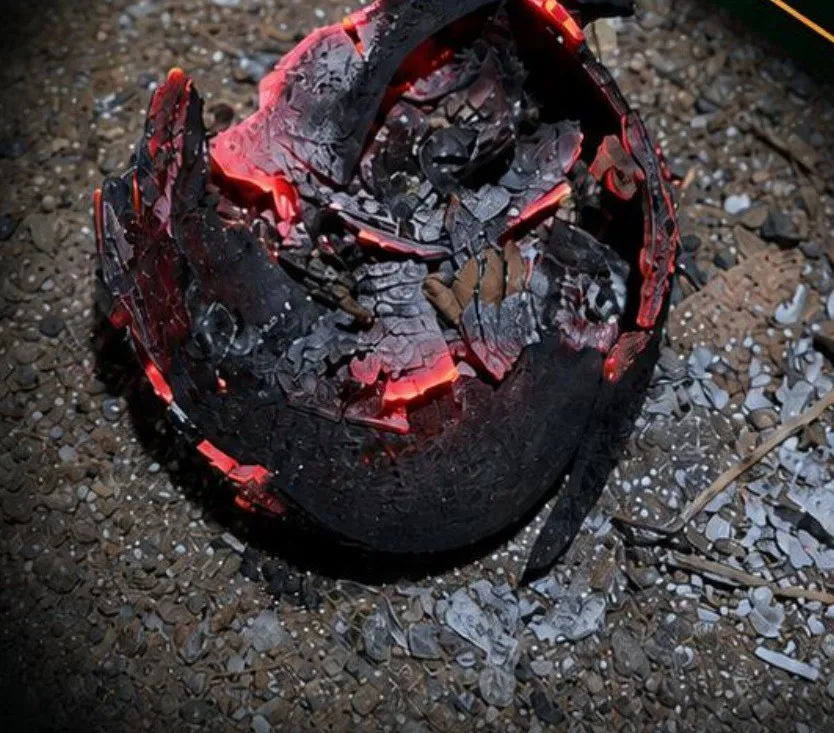
Glowing coconut shell charcoal

Applications

Used almost everywhere.

  • BBQ & grillingEven, long-lasting heat for grilling
  • ShishaClean burn with minimal smoke
  • Industrial boilersHigh-calorie solid fuel
  • Steam generationStable combustion for process heat
  • Cafés & restaurantsDaily commercial kitchen use
  • Activated carbon feedstockHigh carbon content as base material

Production Process

Eight controlled stages.

  1. 01Raw material selectionSelected coconut shell from trusted sources — clean, dry, and free of foreign matter.
  2. 02DryingSun-dried or machine-dried to a target moisture level for better charcoal quality.
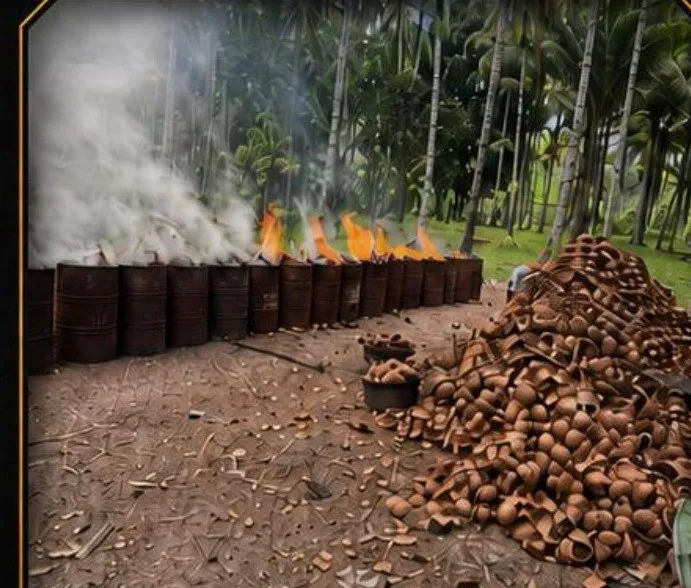
  3. 03CarbonisationBurned in closed kilns with restricted airflow at high temperature.
  4. 04CoolingCooled naturally to prevent cracking or re-ignition.
  5. 05SortingSorted by size, shape, and quality. Anything below standard is separated out.
  6. 06PackingPacked in quality sacks or jumbo bags according to customer request.
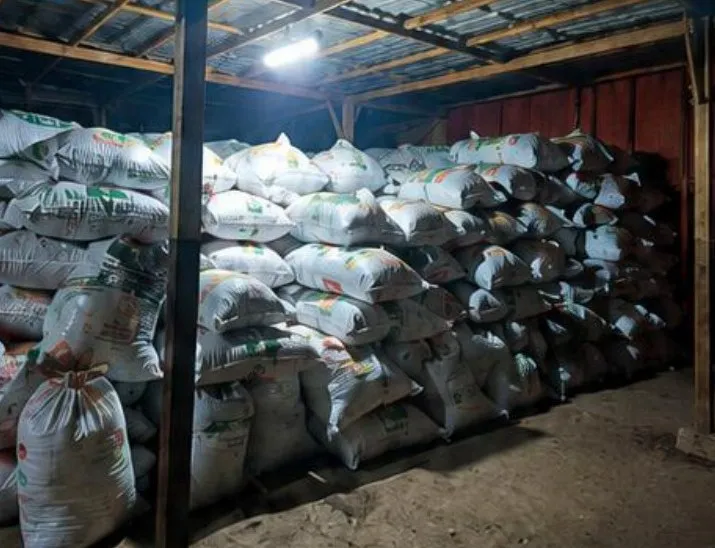
  7. 07StorageStored in dry, clean warehouses to keep quality stable.
  8. 08ShippingDelivered across Indonesia and overseas with trusted logistics partners.
Raw material burning process
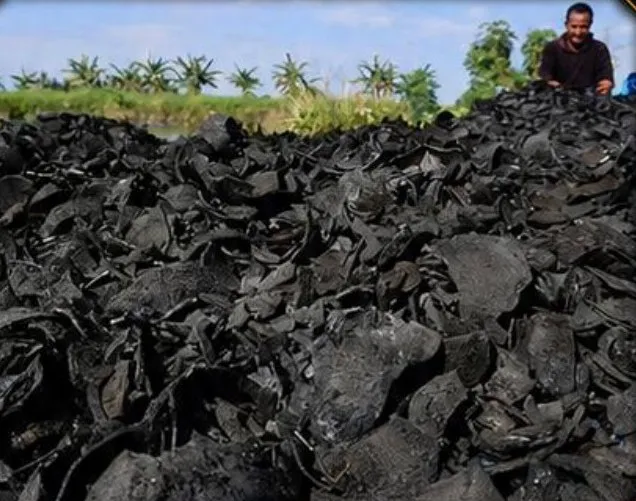
Charcoal after carbonisation
Storage in a dry warehouse

Production Partner

This charcoal has a factory, and a real address.

Our coconut shell charcoal is produced by PT Berkah Mandiri Indonesia, whose facility is located in Kalibagor, Banyumas Regency, Central Java. PT Cahaya Shakti Sejahtera acts as trading partner and exporter.

We state this openly because serious buyers will check. Visits to the production site can be arranged, and specifications can be agreed directly against the factory capacity.

Markets already served

  • Indonesia
  • Malaysia
  • Singapore
  • India
  • Philippines
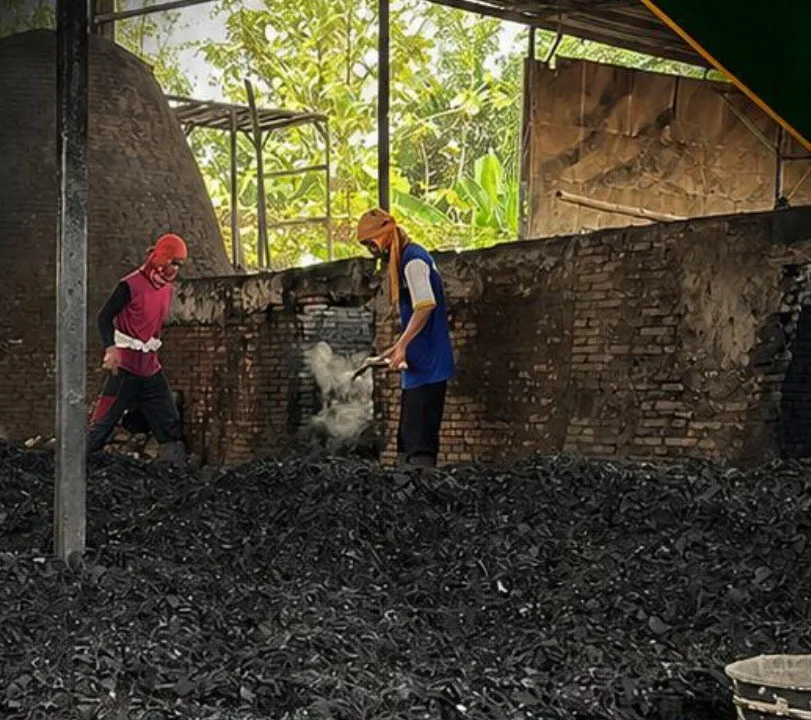
Workers at the carbonisation kiln area

Request a Quote

Send us these four things.

With all four we can price it straight away, without going back and forth.

  1. 1Required size or mesh
  2. 2Quantity per shipment
  3. 3Preferred packaging — sacks or jumbo bags
  4. 4Destination port or city

Frequently Asked

What buyers ask most.

What is the minimum order quantity?

It follows container loading capacity and the specification requested. Tell us your requirement and we will confirm the exact figure along with the quotation.

Are samples available for testing?

Yes. Samples can be sent for testing in your laboratory before ordering. Contact us to arrange it.

Can the specification be adjusted?

Yes. Moisture, size, packaging, and labelling can be adjusted to your requirement within production capacity.

Which incoterms do you serve?

FOB, CFR, and CIF. Final terms follow the destination port and quantity, and are stated in the formal quotation.

Which export documents are prepared?

The required trade documents are prepared in full according to destination country requirements. Details are confirmed at quotation stage.